
Unlock Freedom with a Prepaid eSIM for Your Next Trip
Prepaid eSIM is a digital SIM card that activates a cellular plan without a physical card. It is installed directly on a device through a QR code or app, allowing immediate connection to a mobile network. Users choose a prepaid plan, pay upfront, and get data, calls, or texts without contracts or credit checks. This eliminates the need for swapping physical SIMs when traveling or switching providers.
Understanding the Shift to Virtual Roaming

Understanding the shift to virtual roaming with a prepaid eSIM means realizing you no longer swap physical SIMs to access local networks. Instead, your eSIM profile negotiates with partner carriers globally via software, offering flexible data bundles and local numbers without bulky hardware changes. Why this matters: Imagine landing in Tokyo—your prepaid eSIM instantly connects to a Japanese network, often at local rates, bypassing your home carrier’s roaming fees. It works through app-based activation and VPN-like tunneling, making connectivity feel truly borderless. For users, this shift simplifies travel: you manage plans digitally, switch providers mid-trip, and avoid unexpected charges. Q: How does virtual roaming differ from traditional roaming? A: Traditional roaming relies on your home network abroad, while virtual roaming uses local infrastructure via the eSIM, reducing latency and cost by cutting out middlemen.
How Digital SIMs Replace Physical Plastic Cards
A digital SIM, or eSIM, is a tiny chip soldered inside your phone, completely removing the need for a physical plastic card. Instead of fiddling with a tray, you download a prepaid eSIM profile directly onto your device. This digital replacement for a physical SIM means you can switch between prepaid plans in seconds via an app or QR code. No more waiting for a card to ship, losing it, or needing a paperclip to pop out a tray. For instance, buy a prepaid eSIM online, scan the code, and you’re roaming instantly—the plastic card is history.

Q: How does an eSIM actually get rid of the plastic card?
A: An eSIM stores your plan data internally on a rewritable chip in your phone. You simply download a new “profile” for a prepaid plan, overwriting the old one—no card to insert or swap.
Why Travelers and Remote Workers Are Switching
Travelers and remote workers are switching to prepaid eSIMs to eliminate physical SIM swaps and the hunt for local vendors upon arrival. Immediate connectivity upon landing allows them to activate a data plan before departure, avoiding roaming fees and unreliable public Wi-Fi. For digital nomads, this means maintaining a stable local or global data profile across multiple countries without changing carriers. The ability to manage multiple eSIM profiles on one device lets them keep a home number active for banking while using a local plan for high-speed internet, directly solving the friction of juggling physical SIMs for work and travel.
Key Benefits of Pay-As-Go Connectivity
Pay-as-you-go connectivity through a prepaid eSIM grants you absolute control over spending, eliminating the risk of surprise bills or hidden fees. This model allows you to load exactly the data you need and top up only when required, making it ideal for budget-conscious travelers. You gain the flexibility to switch plans or networks instantly without a long-term contract, adapting to changing needs. No credit check or commitment is needed, enabling immediate activation for any unlocked device. A significant advantage is the ability to purchase a small, low-cost data pack for a single day, rather than a full week or month. This granularity particularly benefits those layover in a hub, where a couple of hours of connectivity suffices. Ultimately, pay-as-you-go transforms the eSIM from a mere convenience into a purely transactional, user-directed tool for seamless global access.
Cost Savings Without Long-Term Contracts
Prepaid eSIMs deliver direct cost savings without long-term contracts by letting you pay only for the data you actually need. You avoid monthly fees, hidden taxes, and early termination penalties that plague traditional plans. Instead, purchase a discrete data bundle for a specific trip or period, then let it expire naturally with zero obligation. This model eliminates waste—you never subsidize unused gigabytes or pay for service during downtime. The financial control is absolute, as you can adjust your spending to match real-time usage.
- Pay a flat, one-time fee with no recurring charges or surprise overage costs
- Skip expensive roaming add-ons by choosing localized prepaid bundles for each destination
- Eliminate financial risk by ending service immediately if plans change or travel is cut short
Instant Activation and Global Coverage
Prepaid eSIMs provide instant activation by eliminating physical SIM logistics; users scan a QR code or tap a link for immediate network connection. Global coverage follows logically, as a single eSIM profile contains multiple carrier profiles, enabling automatic switching between local partners upon arrival. This sequence removes prior manual setup:
- User purchases and receives eSIM data via email.
- Device downloads profile and registers onto a compatible local network.
- Connection activates within seconds, maintaining service across borders without swapping cards.
This direct, automated handoff between regional providers ensures seamless Singapore eSIM roaming from the moment of installation.
Comparing Top Providers for Temporary Plans

When you land in a foreign city, your phone becomes your lifeline, and choosing the right prepaid eSIM for a temporary plan means comparing more than just gigabytes. Comparing top providers for temporary plans is about matching your real-world behavior to their specific strengths. You might need Airalo for its instant activation in dozens of countries if you’re hopping borders, but Nomad often wins for regional coverage when you stay put for a week.
The key insight
emerges when you test that first afternoon—if the map app fails to refresh, you regret not scrutinizing carrier partnerships over flashy price tags. Local providers like Ubigi can offer stronger local network access, while Holafly’s unlimited data looks good until you hit a throttled video stream. The practical decision isn’t just cost; it’s whether the eSIM actually gives you a stable connection right when you hail that ride to your hotel.
Network Reliability in Popular Destinations
When evaluating prepaid eSIM options, network reliability in popular destinations hinges on which local infrastructure each provider accesses. In tourist-heavy cities like Paris, Tokyo, or New York, top-tier plans typically connect to major carriers—Orange, SoftBank, or T-Mobile—ensuring consistent 4G/5G in central areas. However, coverage may weaken within dense indoor spaces like metro stations or large convention halls, where a secondary network partner can compensate. Checking a provider’s roaming agreements for your exact destination prevents dropped connections during critical navigation or booking tasks. Reliability further depends on real-time congestion; popular eSIMs often deprioritize traffic during peak hours, causing slower speeds at landmarks.
Data Speeds and Throttling Policies
For temporary prepaid eSIMs, data speeds and throttling policies vary dramatically between providers. A top-tier plan delivers full 4G/5G speeds until your high-speed cap is exhausted, while budget options aggressively throttle to 128kbps after just 500MB. Always verify if “unlimited” data means guaranteed speeds or severe throttling after fair usage, as many cheap providers slow you to unusable 2G-like connectivity during peak hours. Some carriers, like Airalo, clearly state their reduced speeds post-cap, whereas others bury turbopolicy details in fine print. Pick a provider that promises sustained, consistent throughput for your specific temporary duration, avoiding those that punish heavy usage with near-dial-up slowdowns.
Step-by-Step Setup for Your Next Trip
Before departure, confirm your device is eSIM-compatible and unlocked. Purchase your prepaid plan online, ensuring it covers your specific destination and duration. Install the eSIM while still on Wi-Fi by scanning the QR code provided or entering the activation details manually via your phone’s cellular settings. Label the plan clearly (e.g., “Japan Trip”). Upon arrival, enable the new line for data, keeping your primary SIM active for calls if needed. Avoid activation at the airport gate; do it in a stable Wi-Fi zone.
If you lack service, manually select the local carrier from the network list in your phone settings to force a connection.
Finally, test connectivity by loading a map or messaging app before leaving Wi-Fi range.
Checking Device Compatibility Before Purchase
Before purchasing a prepaid eSIM, check your device’s eSIM compatibility first by navigating to Settings > Cellular (or Mobile Data). Look for an “Add Cellular Plan” option; its absence usually indicates incompatibility. Next, verify your phone is carrier-unlocked—a locked device will reject any third-party eSIM profile. Finally, confirm your device model supports the specific regional bands used by the prepaid eSIM network in your destination. Follow this sequence:
- Check for “Add Cellular Plan” in settings.
- Confirm the device is carrier-unlocked.
- Match your device’s frequency bands to the eSIM provider’s network.
Identifying these three factors before purchase prevents activation failures at your destination.
Downloading and Installing the Profile
Once you’ve purchased your prepaid eSIM, you’ll get a QR code or a manual activation code. Open your phone’s settings, head to Cellular or Mobile Data, and tap “Add eSIM.” Scan that QR code or paste the code—your phone will download the profile in seconds. After installation, name it (like “Japan Trip”) and set it as your primary data line. A quick restart often seals the deal, but many phones activate instantly. That’s it—your prepaid eSIM profile is live, no physical card needed.
Hidden Costs and Fine Print to Watch For
When purchasing a prepaid eSIM, hidden costs often lurk in the fine print. Watch for activation fees not included in the advertised price, as well as top-up minimums that force you to spend more than needed. Many plans list “unlimited data” but throttle speeds after a small daily or monthly cap, effectively reducing value. Some providers charge a service fee or tax at checkout that is not disclosed upfront, and reactivating an expired eSIM may incur a penalty. Always verify if your local number or tethering is included, as these often require an extra premium. Review cancellation terms: partial refunds for unused data are rare, and auto-renewal can deplete funds without notice.
Expiration Dates and Top-Up Options
Prepaid eSIM plans often come with strict expiration dates and top-up timeliness, not just data limits. Miss that deadline and your balance vanishes, no refunds. Many providers force you to purchase a whole new plan instead of simply adding data. Check if top-ups reset the clock or just stack with the current expiration. Some eSIMs let you extend validity for a small fee, while others require a full re-buy.
Always check when your data dies, not just how much you have. Top-ups may not save you—only a new plan will if you miss the cutoff.
Roaming Fees by Region
When using a prepaid eSIM, regional roaming fees vary sharply by destination; data packages valid in Europe often cost far less than those for Asia or Africa. Always verify your eSIM’s specific zone coverage, as a “global” plan may charge extra for certain countries. Some regions, like Oceania or the Middle East, impose higher per-GB rates than North America or Western Europe. Check provider maps before travel to avoid unexpected surcharges for cross-border usage.
Roaming fees with prepaid eSIM depend entirely on the billing region; always compare zone-specific rates before purchasing to avoid higher costs in less-covered areas.
Tailored Options for Different User Needs
Prepaid eSIMs let you pick a plan that actually fits your life, not just a one-size-fits-all package. Need a data-only drop for your laptop while traveling? Grab a 1GB option. Streaming on the go? Choose a high-speed unlimited plan. Light user just checking maps and messages? A low-cost, long-validity eSIM saves you cash. How do I know which prepaid eSIM is right for me? Simply match your main activity—like browsing, hotspot sharing, or voice calls—to a plan that offers exactly that feature (e.g., a “talk & text + 5GB” bundle for daily drivers). This way you pay only for what you actually use, not fluff.
Short-Term Tourists vs. Long-Term Nomads
Short-term tourists need fast, cheap data for a week or two, so prepaid eSIM plans with fixed durations let them grab a 5GB or 10GB bundle without a contract. Long-term nomads, however, require flexible top-ups and multi-country coverage to avoid reactivation fees every month. A tourist might buy a single 30-day plan, while a nomad cycles through regional plans, adding data as they hop borders. Which option saves more for nomads vs. tourists? Tourists win on per-gig cost for brief trips, but nomads save by choosing long-validity regional plans that don’t expire weekly—less hassle, more freedom.
Multi-SIM Management for Family or Business
For families or businesses, prepaid eSIM simplifies multi-line oversight through a single portal where you allocate data pools and set individual spending caps. You can instantly activate a new eSIM for a child’s device or a contractor’s phone without physical logistics, and suspend or transfer a plan to another user when needs shift. This allows centralized usage monitoring across accounts, preventing overuse while enabling flexible allocation of shared data allowances.
Multi-SIM management via prepaid eSIM provides administrative control over separate lines from one dashboard, supporting usage caps, easy plan transfers, and shared data without physical SIM swapping.
Security Tips for Digital-Only Subscriptions
When managing a prepaid eSIM, treat its digital subscription like a physical wallet, not a disposable SIM card. Always create a unique, strong password for the eSIM provider account, and enable two-factor authentication (2FA) to prevent unauthorized plan transfers. Never store your eSIM activation QR code or profile data in plain text on cloud storage; instead, keep it in a password manager.
A crucial insight: because prepaid eSIMs lack physical ties, an account breach can silently drain your balance or clone your number for SMS interception, so regularly audit your active subscriptions and revoke access from old devices.
Avoid using an eSIM for SMS-based password resets on critical accounts, as porting attacks target digital-only identifications.
Protecting Personal Data on Shared Networks
When using a prepaid eSIM on shared networks—such as public Wi-Fi or hotel hotspots—your data is exposed to potential interception. To protect personal data, always activate the eSIM’s built-in VPN feature or install a trusted third-party VPN before connecting. This encrypts all traffic, preventing credential theft. Disable automatic network joining and avoid accessing payment portals or subscription accounts on unsecured connections. For critical logins tied to your prepaid eSIM, use a password manager to generate unique credentials, further reducing breach risk. Encrypting all session traffic remains the single most effective step against data capture on shared infrastructures.
Account Recovery and Lost-Phone Protocols
For prepaid eSIMs, account recovery hinges entirely on securing your online portal credentials, as there is no physical SIM to swap. Immediately enable two-factor authentication on your provider’s account to prevent hijacking. If your phone is lost, act fast: use a secondary device to log into your portal, suspend the eSIM profile, and request a secure eSIM re-download to a new phone. Without this protocol, you risk permanent loss of your subscription and remaining data balance. Q: What should I do the moment my phone is lost? A: Immediately login to your provider’s dashboard from another device, suspend the eSIM to block usage, then re-download it to your replacement phone using the recovery link sent to your backup email.
Future Trends in Flexible Mobile Plans
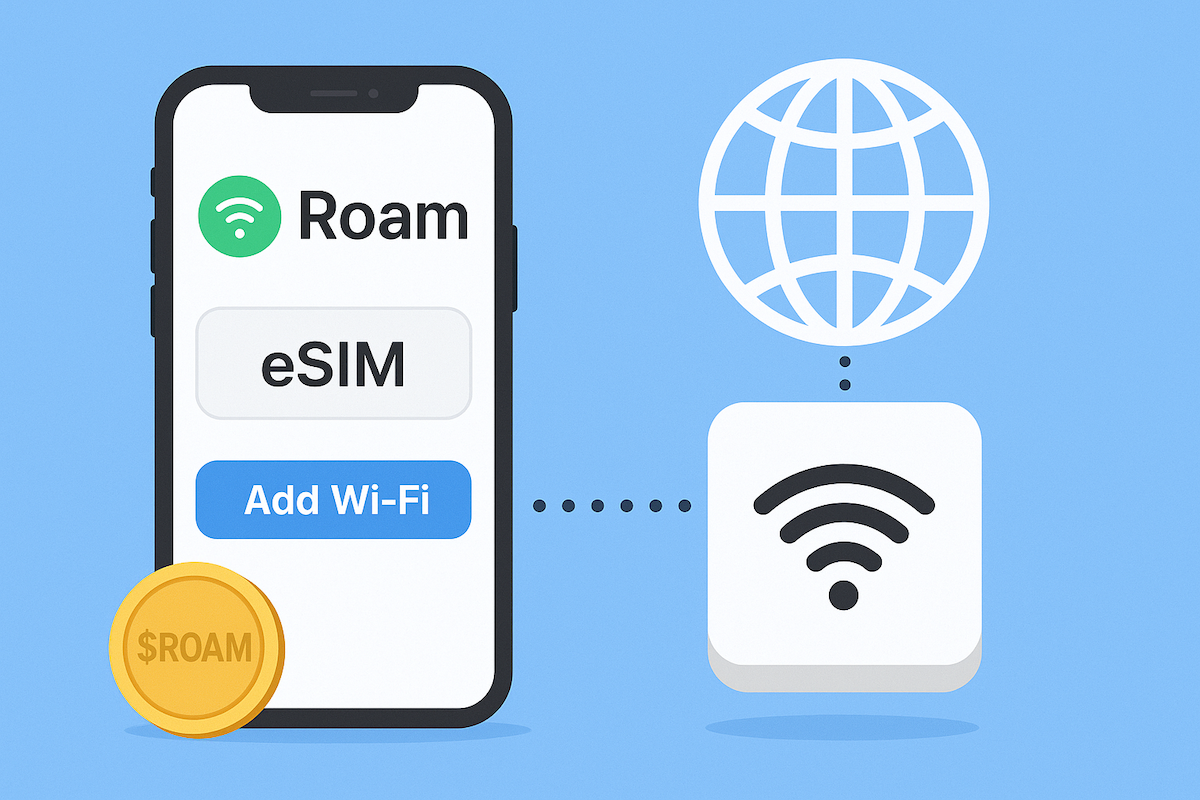
Future flexible mobile plans will pivot on prepaid eSIMs enabling real-time plan stacking, where you combine a short-term data bolt-on from one provider with a voice pack from another on the same device. This allows users to dynamically adjust connectivity without switching physical cards. Q: How will plans handle multi-device synchronization? A: Expect unified prepaid eSIM accounts that let you purchase a single data pool, then instantly allocate specific gigabytes to your smartphone, tablet, and laptop hotspot, all managed from one app. Each device’s usage deducts from the same prepaid balance, eliminating separate subscriptions and physical SIM logistics.
Integration with IoT and Smart Devices

Prepaid eSIMs enable direct, user-managed connectivity for IoT and smart devices without long-term contracts. A prepaid eSIM profile can be installed on a smartwatch, allowing it to operate independently, or on a vehicle tracker for real-time location updates. This architecture avoids tying each device to a postpaid account, simplifying control for users with multiple gadgets. The integration relies on lightweight data packages tailored for low-bandwidth sensors, ensuring minimal cost overhead. Seamless device switching becomes practical, as users transfer the same eSIM between a phone, tablet, or drone via a single dashboard, all managed through prepaid balance top-ups.
Potential for Regional Unlimited Packages
The potential for regional unlimited packages within prepaid eSIM removes arbitrary single-country boundaries. A traveler could activate a single eSIM plan granting uncapped data across, for example, all of Western Europe or Southeast Asia, avoiding per-country top-ups. This hinges on providers bundling contiguous zones into a single cost structure. True utility depends on carriers aligning network reciprocity across borders without imposing throttled speeds. The main practical draw is effortless roaming; you land, the eSIM activates, and data flows freely without calculating daily caps for each nation crossed. Cross-border data pooling would be the core technical shift, letting one allowance serve an entire economic bloc. Q: Can regional unlimited packages work on a single eSIM profile? Yes, provided the host carrier has roaming agreements for unlimited throughput across all included territories.