
Your Guide to Winning and Losing in Online Gambling
Online gambling is the digital pulse of modern wagering, bringing the casino floor to your fingertips. It works by allowing you to place real-money bets on games like slots, poker, or blackjack through a secure website or app, with results determined by random number generators. The core benefit is unmatched convenience—you can chase a win from your living room or on your commute, with instant access to high-speed payouts and immersive gameplay. To use it, simply create an account, deposit funds, and choose your game; the thrill of a live dealer or the spin of a virtual wheel is always one click away.
The Digital Shift in Gaming
The digital shift in gaming has fundamentally transformed online gambling by replacing physical casino interfaces with **immersive digital environments**. This transition allows players to access a vast array of slot machines and table games instantly from any device, with real-time random number generators ensuring fair play outcomes. The shift also integrates **live dealer streaming**, which bridges the gap between virtual and land-based experiences by broadcasting real human croupiers. Players now rely on **digital wallets** for instant deposits and withdrawals, while **adaptive software** adjusts game difficulty and speed based on individual user behavior. This digital evolution removes travel time and physical constraints, making gambling a persistent, on-demand activity.
How the Internet Changed Betting Habits
The internet transformed betting from a scheduled, location-bound activity into an instant, always-on impulse. Instead of traveling to a bookmaker for a fixed event, users now wager on live, in-play moments from anywhere. This shift fuels micro-betting on specific plays or card counts, eroding the pre-game planning habit. The constant availability of markets makes rapid, emotional decision-making the new norm, overriding the slower discipline of once-a-week bets. A player now chases a quick reaction rather than analyzing an entire match.
| Past Betting Habit | Internet-Altered Habit |
|---|---|
| Placed fixed odds bets before a match started. | Bets on dozens of live events per hour during a game. |
| Withdrew cash only for big matches. | Deposits frequent, small sums for immediate action. |
Key Differences Between Land-Based and Remote Wagering
Remote wagering lets you place bets from your couch, skipping the travel, dress codes, and smoky casino floors of land-based spots. The key difference is pace: online, you can cash out mid-game or bet on live micro-events, while in person you wait for the next hand or race. Land-based offers instant cash payouts and tactile chips, but remote gives you digital wallets and faster access to real-time in-play betting. You also get more privacy online, avoiding the crowd’s eyes on your screen.
- No travel or wait times for a seat at a table or window.
- Ability to wager on live, unfolding moments you can’t get at a physical venue.
- Immediate digital payouts versus queuing for a cashier.
Why Players Are Moving to Screens
The shift of players to screens is driven by the unrivalled convenience of accessing a full casino from any device. The ability to play a hand of blackjack during a commute or spin slots in a waiting room eliminates the need for travel and dress codes. Furthermore, screen-based play offers superior control, allowing users to set loss limits or session timers with a single tap. This practical autonomy over time and money, combined with instant game availability, makes digital gambling accessibility the primary motivator for abandoning physical venues.
Core Mechanics of Virtual Casinos
Virtual casinos rely on a Random Number Generator (RNG) to determine every spin, card deal, or dice roll, ensuring that no two outcomes are predictable. This core mechanic replaces physical decks or wheels with software that constantly cycles through millions of numbers. Return to Player (RTP) percentages are built into the game’s code, telling you how much of your bet you’ll statistically get back over time—higher RTP means better long-term odds. Games also use volatility, which controls risk; low volatility gives frequent small wins, while high volatility offers rare but larger payouts. Auto-play features and bet limits are user controls that let you set session parameters, but the house edge remains mathematically fixed in every virtual game you play.
Random Number Generators and Fair Play
At the heart of every spin and shuffle lies the Random Number Generator (RNG), a silent algorithm ensuring each outcome is independent and unpredictable. For fair play, reputable platforms submit their RNGs to independent testing agencies like eCOGRA or iTech Labs, which audit the code for true randomness and payout percentages. This verification means no external force—player or casino—can manipulate results. Without a certified RNG, a game’s integrity collapses, turning chance into a fixed illusion. Certified RNG fairness is the non-negotiable backbone of trust, transforming a virtual bet into a genuine gamble where luck, not code bias, decides the win.
RNGs mathematically enforce unpredictability; independent audits seal that randomness into verifiable fair play.
Game Varieties: Slots, Tables, and Live Dealers
Game varieties in virtual casinos are divided into slots, table games, and live dealer options. Slots use Random Number Generators for instant outcomes, featuring classic reels, video themes, and progressive jackpots. Table games like blackjack and roulette follow standard rules with automated digital dealing. Live dealer streams bridge the gap, allowing players to interact with a real croupier via video while placing bets electronically. Q: Can live dealer games be slowed down? A: Most platforms offer adjustable speed settings, but the dealer operates on a fixed schedule to maintain real-time flow for all participants.
Payment Gateways and Instant Transactions
Payment gateways within virtual casinos act as the critical bridge between your bank and the game, processing wagers in milliseconds to ensure no delay in your action. With instant transaction processing, deposits credit your account immediately, letting you jump into high-stakes rounds without interruption. Withdrawals through these gateways are also optimized, often completing within minutes by bypassing manual approval queues. Secure tokenization protects your financial data, and automated settlement ensures your winnings hit your wallet with the same speed as a losing bet clears the table. This zero-lag architecture keeps the game flow urgent and uninterrupted.
| Aspect | Deposit Gateways | Withdrawal Gateways |
|---|---|---|
| Processing Time | Sub-second credit | Minutes to a few hours |
| Data Handling | Tokenized encryption on entry | Automated settlement bypasses manual review |
| User Impact | Uninterrupted betting flow | Rapid access to funds |
Strategic Approaches to Wagering
You watch the live dealer flip a card, heart steady because you already set a loss limit and a profit target before logging in. Bankroll management becomes your anchor, dividing funds into units to survive streaks and avoid chasing losses. You shift from flat betting to a proportional system, wagering 2% of your current stack per round. Game selection is deliberate, favoring blackjack over slots because house rules vary and you memorize basic strategy charts. One evening, you notice a baccarat shoe trending banker-heavy, so you patiently scale bets only when variance aligns with your edge studies, not impulse. Every session closes with a cold review of decisions, turning mistakes into data for tomorrow’s approach.
Bankroll Management for Sustained Play

Effective bankroll management for sustained play begins with dividing your total gambling funds into smaller, session-specific units. Never risk more than 1-2% of your bankroll on a single wager, ensuring you can withstand inevitable losing streaks without depleting your funds. This discipline transforms gambling from a series of desperate bets into a calculated, long-term activity. By setting strict loss limits and win goals for each session, you protect your capital and guarantee the ability to play another day. The core principle is survival, enabling strategic persistence until favorable odds emerge.Strategic bankroll allocation is the foundation of longevity in online wagering.
How often should I recalculate my betting unit size? Recalculate your unit size whenever your total bankroll changes by 10% or more, adjusting bets to maintain that crucial 1-2% risk per wager.
Understanding House Edge vs. Player Return
Understanding the house edge vs. player return is critical for evaluating online games. The house edge represents the mathematical advantage the casino holds over time, expressed as a percentage of each bet. The player return, or RTP, is the inverse—the theoretical percentage of wagered money a game pays back to players. For example, a 5% house edge equals a 95% RTP; neither guarantees short-term outcomes. A lower house edge on blackjack (0.5%) gives you better long-term odds than a slot with a 10% house edge. Always check a game’s RTP to compare expected loss rates across different titles.

| Aspect | House Edge | Player Return (RTP) |
|---|---|---|
| Definition | Casino’s expected profit percentage per bet | Player’s expected percentage returned |
| Example | 5% edge | 95% RTP |
| Practical Use | Indicates long-term loss rate | Shows potential payback over time |
Psychological Traps and How to Avoid Them
The biggest psychological trap in online gambling is the “near miss,” where a close loss feels like a win, pushing you to chase the same result. To avoid this, set a strict loss limit before you start and step away immediately after hitting it. Another common pitfall is the “sunk cost fallacy,” where you keep betting to recover lost money. Counter this by treating every session as independent and never increasing your bet out of frustration. Lastly, avoid the “illusion of control” by remembering outcomes are random, not a skill you can master. Set emotional stop-losses to keep logic in charge.

To escape psychological traps, enforce hard loss limits, reject the need to recover losses, and remind yourself that each bet is a fresh, random event.
Regulatory Landscapes Across Borders
Navigating the Regulatory Landscapes Across Borders in online gambling requires constant vigilance, as your account access and funds depend entirely on your physical location at the moment of play. A casino legally operating in one country instantly becomes an illegal, unregulated site the second you cross a border into a jurisdiction with stricter laws. This means a VPN doesn’t make you immune; platforms actively geo-block and can freeze winnings if they detect a prohibited IP address, leaving you with no legal recourse.
Your winning account can vanish the moment your passport is stamped at immigration.
The practical takeaway is that you must check local laws for every single territory you enter, as there is no universal “license” that protects your activity across different nations.

Licensing Jurisdictions and Player Protection
Choosing an online gambling platform starts with verifying its issuing authority, as this directly impacts your safety. A regulated licensing jurisdiction like Malta, the UK, or Gibraltar enforces strict protocols for player protection, including segregated funds to prevent operators from using your deposits. To confirm your security, follow this clear sequence:
- Check the site’s footer for a license logo and number.
- Cross-reference that ID on the regulator’s official database.
- Look for mandated tools like deposit limits or self-exclusion options on your account dashboard.
Only play where jurisdiction law compels the operator to prioritize your financial and personal data safeguards.
Tax Implications for Winners
For winners of online gambling, tax liabilities hinge entirely on jurisdiction and are frequently overlooked. Many countries, like the UK, exempt gambling winnings from personal income tax, making them tax-free. Conversely, the United States treats winnings as taxable income, requiring winners to report them and potentially face withholding. Always verify local reporting requirements before assuming winnings are exempt. Failing to declare can lead to penalties or audits. Do I need to pay taxes on my online gambling winnings if I live in a country that usually exempts them? Yes, you remain liable if you reside in a jurisdiction that does tax, or if the platform is based in a taxable jurisdiction; the exemption 399bet applies only where you are a tax resident.
Age Verification and Responsible Gaming Laws
Online gambling platforms must integrate robust age verification systems to prevent underage access, typically requiring government ID uploads or biometric checks before any deposit. Responsible gaming laws compel sites to offer mandatory self-exclusion tools and enforceable deposit limits that you can adjust anytime. These protections are not optional features but legal requirements designed to keep your play safe.
- Mandatory ID verification blocks underage users before account activation.
- Real-time deposit and loss limits are enforced by the platform, not just suggested.
- Self-exclusion lists are legally binding for a minimum period, often 1-5 years.
Technology Driving the Experience
Tech is the engine making online gambling feel almost real. Live dealer streaming uses multiple HD cameras to beam a real croupier dealing cards or spinning a wheel straight to your screen, creating an authentic casino vibe. Random Number Generators (RNGs) are the silent backbone of slots, ensuring every spin is unique and unpredictable. Mobile optimization now means you can play full slots or a hand of blackjack with zero lag from your phone, often with just a thumb tap. Haptic feedback on mobile devices even vibrates subtly on big wins, adding a physical sensation to digital play.
Mobile Platforms and App-Based Play
Mobile platforms and app-based play have transformed online gambling into an always-accessible activity, with dedicated apps offering seamless integration of device features like touch ID and push notifications for live betting alerts. Optimized interfaces ensure smooth navigation on smaller screens, while mobile-specific game designs leverage portrait mode and gesture controls for intuitive slot spins or one-tap wagers. Apps often include GPS-based login verification for enhanced security, and real-time streaming of live dealer tables is tailored for variable mobile bandwidth, ensuring uninterrupted play anywhere.
Cryptocurrency and Anonymity in Bets
Cryptocurrency transforms online gambling by enabling truly anonymous bets, where your bankroll moves without linking to a name or bank account. Using a decentralized wallet, you deposit directly into a casino’s system, bypassing identity verification and maintaining complete privacy on the ledger. This anonymous crypto betting shields your transaction history from third parties, while instant withdrawals bypass traditional banking delays. Every bet placed remains pseudonymous, granting you control over personal data without sacrificing speed or security. For players prioritizing discretion, cryptocurrencies are the definitive tool for seamless, untraceable wagering.
Virtual Reality and Immersive Environments

Virtual reality transforms online gambling by pulling you into a 3D casino floor where you can walk between slot machines and blackjack tables. Immersive environments use spatial audio and lifelike avatars, making you feel like you’re sitting opposite a live dealer. Your physical hand movements can even control chips and card placement with compatible controllers. This setup creates a fully interactive gambling atmosphere that mimics real-world social cues, which standard screens simply cannot replicate. You can glance around a poker room or lean in to inspect virtual dice rolls, adding a layer of intuitive presence to every session.
Risks and Safeguards for Participants
Online gambling exposes participants to the volatile risk of rapid financial loss, as well as the potential for developing compulsive behaviors that can erode personal relationships. To safeguard against these harms, you must proactively set strict deposit limits and use platform tools that enforce mandatory time-outs after sessions. Only gamble with disposable income you can afford to lose entirely, treating it as a sunk cost for entertainment rather than a potential return. Self-exclusion programs offer a powerful circuit breaker, allowing you to ban yourself from multiple sites for a fixed period. Curiously, the most effective shield is often a pre-commitment to a loss limit before a single spin or hand is played. Always verify the site offers an integrated reality check that alerts you to your active playtime and net losses. If you ever feel the urge to chase losses, that emotional spike is your clearest signal to immediately log out and disengage.
Signs of Problematic Behavior
You can spot early warning signs of problematic behavior when you start hiding your screen or lying about time spent gambling online. Another red flag is chasing losses—betting more right after losing to try and win it back. You might also notice you’re using gambling to escape stress or feeling anxious when you can’t play. Chasing losses is especially risky because it often leads to bigger bets you can’t afford. If you set spending limits but keep ignoring them, that’s a clear signal to pause and check in with yourself.
Self-Exclusion Tools and Cooling-Off Periods
Self-exclusion tools allow you to voluntarily ban your account from an online gambling site for a set period, ranging from months to years, with no option to reverse the decision early. A cooling-off period is a shorter, often temporary break, typically lasting 24 hours to 30 days, which can be initiated instantly to halt impulsive play. During these times, you cannot deposit funds or place bets, providing a structured pause to regain control. For effective use, activate cooling-off periods immediately when feeling urges to chase losses, as this immediate barrier helps prevent financial harm.
Resources for Recovery and Support
Effective resources for recovery and support for online gambling participants include self-exclusion programs, which allow users to block access to all licensed sites for a set period. Counseling services, such as those offered by the National Problem Gambling Helpline, provide structured therapy for behavioral change. Financial management tools, like gambling-blocking software on personal devices, add practical safeguards. These resources form a layered system where immediate restriction and long-term psychological support are prioritized. Self-exclusion databases are critical as they create enforceable boundaries across multiple platforms simultaneously.
Q: What is the first step to access recovery resources for online gambling? A: Contacting a national helpline, like 1-800-GAMBLER, to receive immediate, confidential referral to tailored support programs.
Future Trends in Digital Wagering
The immediate future of digital wagering hinges on fully immersive, personalized experiences via AI-driven betting interfaces. Algorithms will dynamically adjust odds and present curated event streams based on a user’s historical behavior, while live in-play micro-betting will allow wagers on split-second game actions, such as the next pitch type or shot trajectory. Virtual reality casinos will offer tactile, realistic environments where players interact with digital chips and dealers from home. Expect frictionless, instant payouts integrated directly into digital wallets, removing traditional withdrawal delays. Biometric authentication, like fingerprint or facial recognition, will replace standard logins for enhanced security. These trends shift the focus from passive platform usage to a hyper-responsive, gamified ecosystem where every user session is uniquely structured for speed and engagement.
Artificial Intelligence for Personalized Odds
Imagine placing a bet where the odds are tweaked just for you. AI for personalized odds uses your betting history and playing style to craft live wager lines that fit your risk profile. It means the number you see isn’t random—it’s computed from your own data. This isn’t about better or worse odds, just odds that feel more relevant to your habits. You get more engaging matches because the system tailors the challenge. It’s like having a bookmaker who knows your favorite games and adjusts accordingly, focusing on dynamic betting adjustments that make every click feel uniquely yours.
Blockchain Integration for Transparency
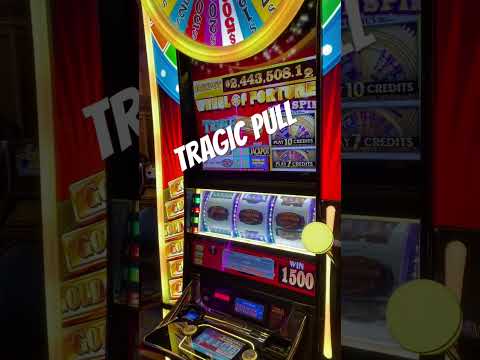
Blockchain integration for transparency in online gambling replaces opaque, centralized ledgers with an immutable, public record. Every wager, payout, and outcome hash is cryptographically recorded on-chain, allowing users to independently verify game fairness without trusting an operator. Smart contracts automate and enforce payout rules, eliminating manual settlement delays or disputes. Players can audit transaction histories in real time, detecting any manipulation retroactively. This cryptographic assurance shifts trust from a single entity to verifiable code, creating a self-auditing ecosystem where transparency is baked into the infrastructure, not promised through policy.
| Feature | Centralized Wagering | Blockchain-Integrated Wagering |
|---|---|---|
| Record | Private server logs (alterable) | Public, immutable ledger |
| Verification | Relies on third-party audits | User-initiated hash verification |
| Payout Logic | Manual or scripted by operator | Self-executing smart contract |
| Dispute Risk | Requires customer support | Zero due to on-chain proof |
Social Gaming Elements and Community Features
Online gambling platforms are weaving in social gaming elements and community features to make wagering feel less solitary. You might join live leaderboards that track wins among friends, or unlock achievements for trying new games. The shift includes shared virtual lounges where you can chat during a poker hand, forming a casino floor vibe from your couch. To ease into this, you can:
- Create a profile and link with buddies to see their shared bets.
- Earn group rewards when your team hits collective goals.
- Use emoji reactions or quick polls during live dealer sessions.
These additions turn betting into a social hangout, blending competition with camaraderie.